Guide · 4 min read · Updated
Why no estate publishesits rates
A wedding venue is not a catalogue product: what you can ask, and in which order, to compare two proposals rigorously.
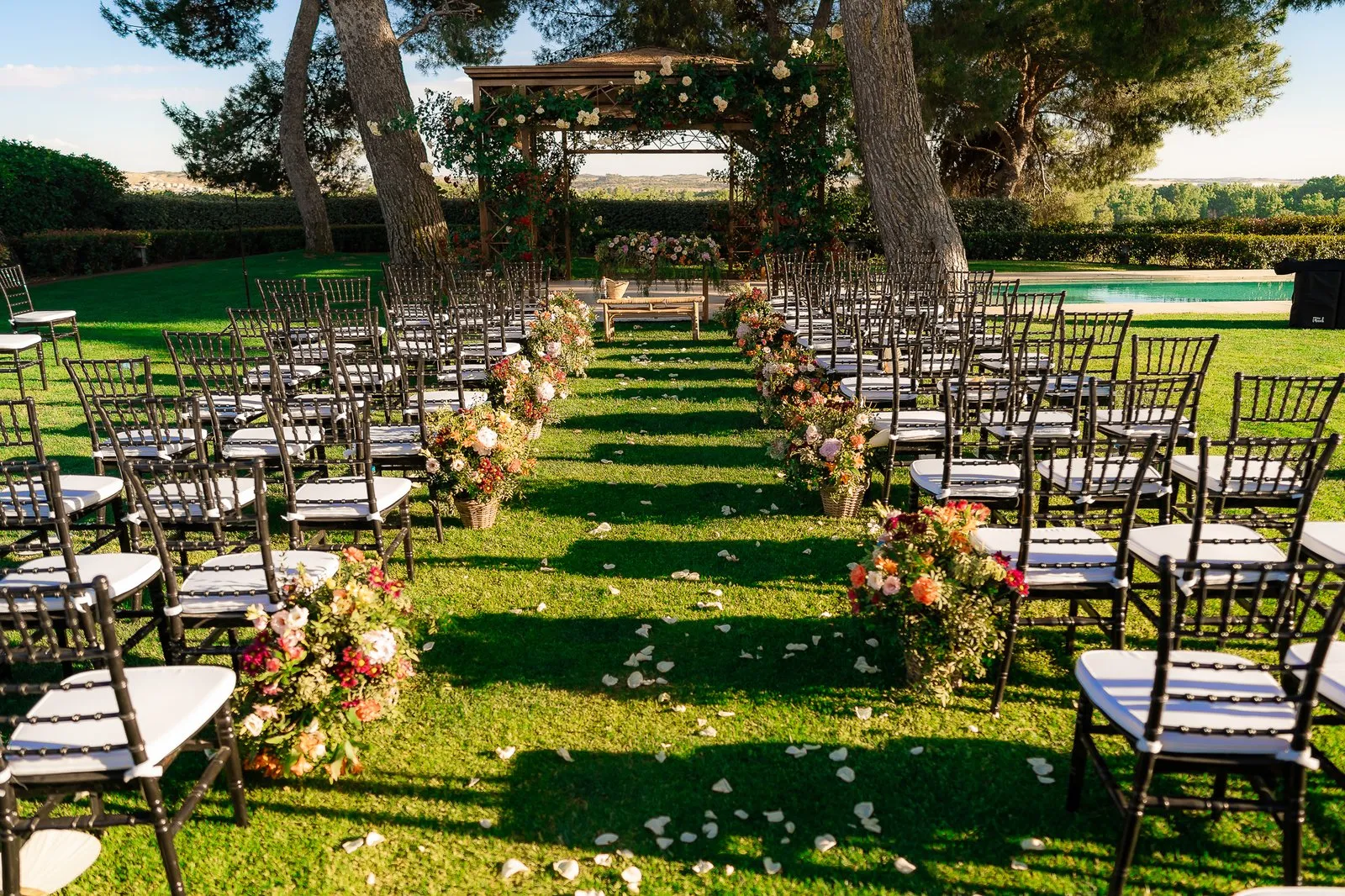
Those looking for a wedding estate often start with a figure and meet a wall: the vast majority of venues publish no rates and refer you to a bespoke proposal. This is not opacity; it is the nature of the product. An estate is not a closed article but a template filled in with the details of each celebration.
Four variables that change everything
The final amount depends, at the very least, on the month (a Saturday in June is nothing like a Sunday in February), the day of the week, the number of guests and whether catering is part of the rental or contracted separately. One and the same grounds may host eighty people or five hundred, and that difference carries the service, the staff and sometimes the accommodation with it.
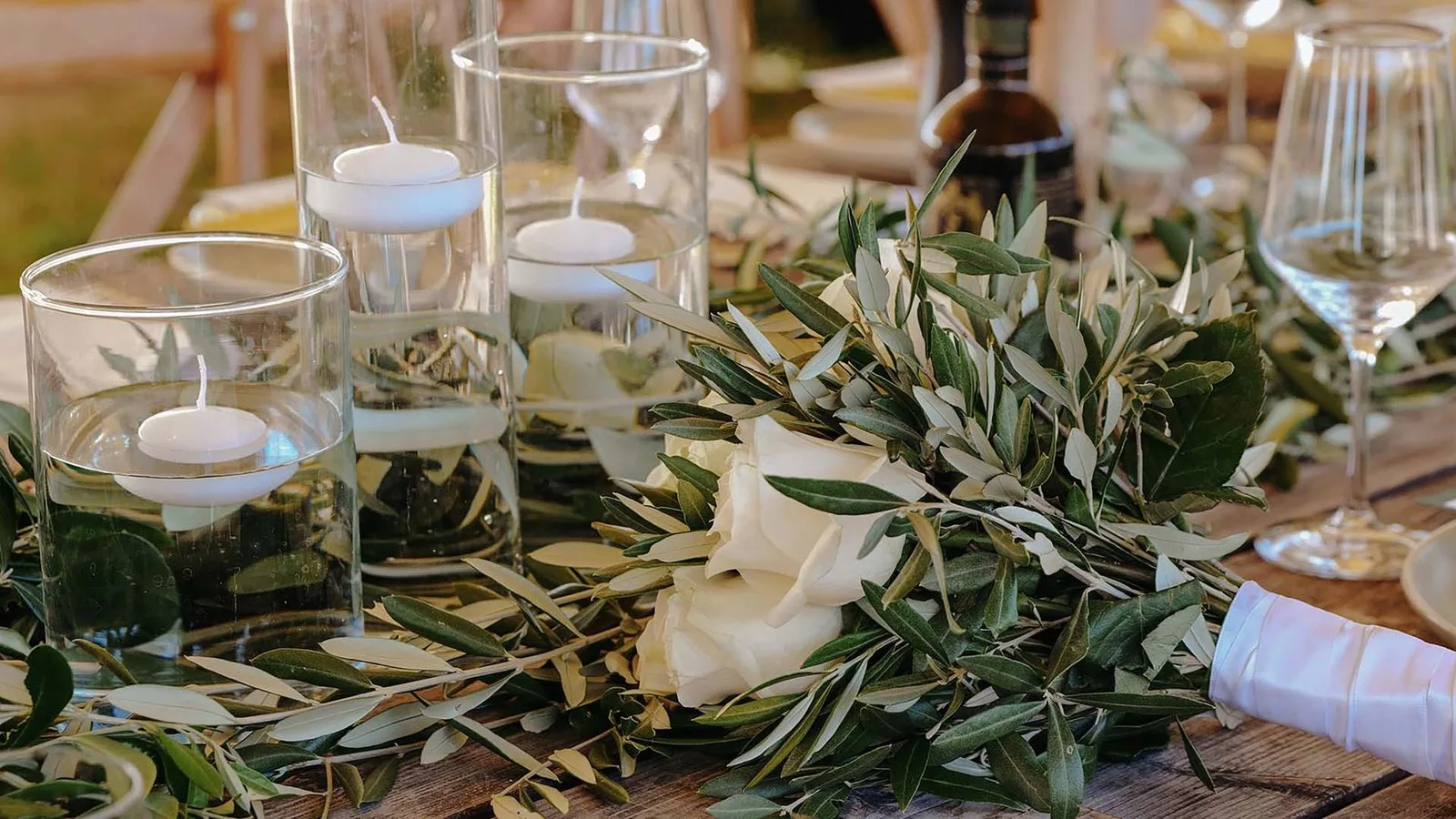
- The monthA Saturday in June is nothing like a Sunday in February.
- The day of the week
- The number of guestsThe same venue can hold eighty people or five hundred, and that difference carries the service, the staff and sometimes the accommodation.
- The kitchenWhether it is part of the hire or contracted separately.
What each venue does say about itself
Without calling anyone you can gather three facts that most websites offer, though not all equally: capacity, whether there are rooms on site, and whether the kitchen is exclusive or open. A single palace or castle may have several halls with very different capacities, so ask which specific space you are being offered before asking what it costs.
When a website speaks of "over five hundred" with no ceiling, or "around two hundred" without presenting it as a limit, the figure is a reference, not a commitment. Ask for it in writing. And remember that a terse website says nothing bad about the estate: it says it communicates little, which is precisely the reason to ask it first.
Three details without calling anyone
- The capacity
- Whether there are rooms on site
- Whether the kitchen is closed or free
Exclusive, in-house or open catering
Exclusive means the venue imposes its own kitchen or that of a partnered supplier. In-house is not the same as exclusive: having a kitchen does not always prevent working with an outside team, and that is a question for your first conversation. Open describes venues that work with outside firms and let you compare proposals.
Closed
The venue imposes its own kitchen or that of an approved supplier.
Its own
Not the same as exclusive: having a kitchen does not always rule out an outside team. A question for the first conversation.
Free
Venues that work with outside companies and let you compare proposals.
The questions that make two proposals equal
- Is the rental separate or included in the catering? It decides whether you compare equivalent figures or a complete one against a partial one.
- Is there a minimum number of guests or minimum spend? A high minimum makes an intimate celebration incomparable. On that format: an intimate wedding in Mallorca.
- Is the venue exclusive that day, or can another event take place at the same time?
- What exactly is included? Furniture, a marquee in case of rain, service staff, cleaning and electricity are the items that vary most without being obvious.
- If there are rooms, are they included or billed separately?
What the place imposes
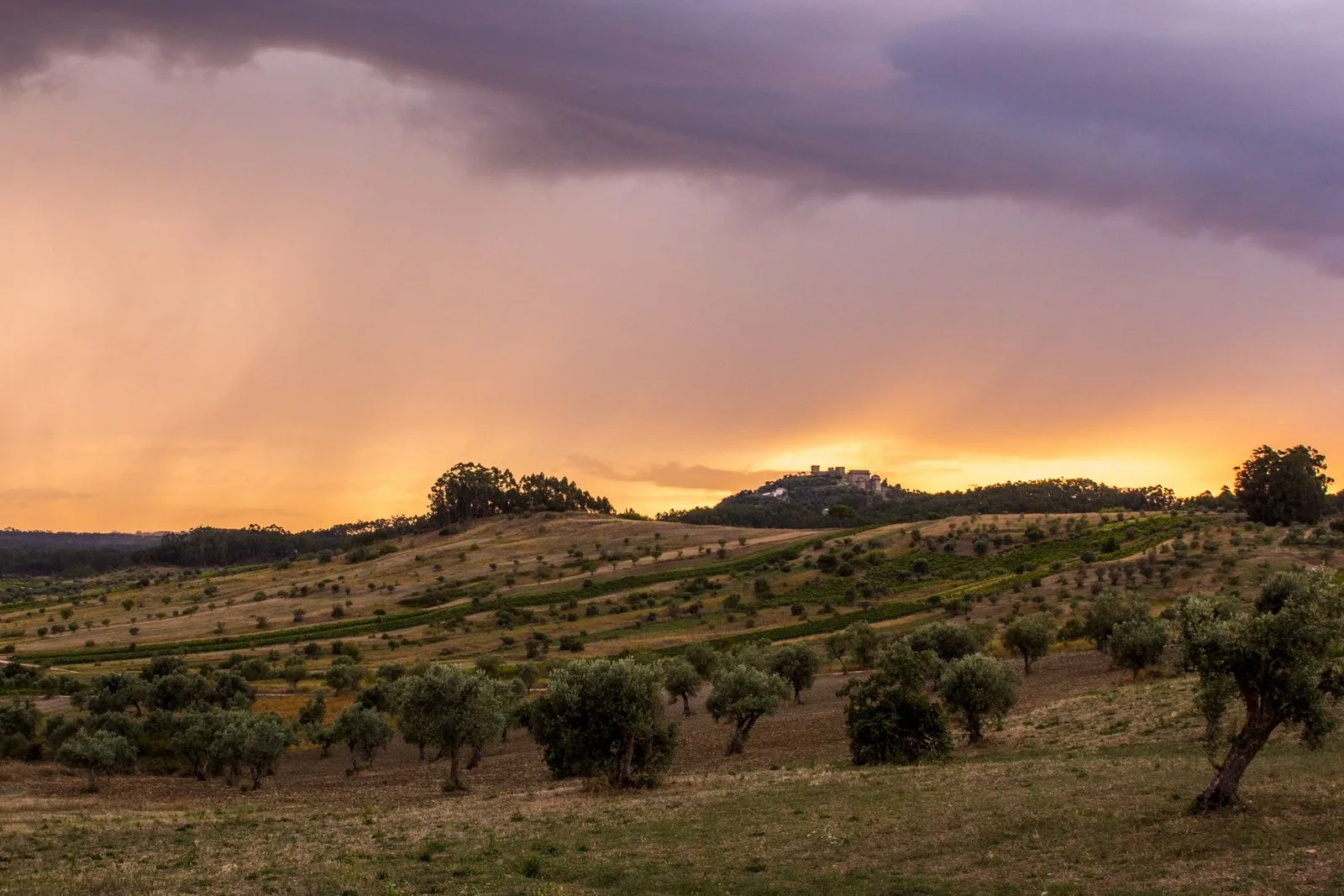
There is one variable that appears in no proposal yet shapes half the film: where the estate stands and which way it faces. At the foot of a mountain range the sun disappears earlier than any table suggests; on open plain the margin stretches. In July, at five in the afternoon, the sun is still high and the light is harsh; the cocktail hour is the most social moment of the day and the least kind to light, so plan continuous shade: a porch, a grove, an arcade.
A palace courtyard enclosed by four facades works like a well of light; a castle hall with small openings forces you to decide beforehand what light of your own you will bring. And the calendar moves everything: at the end of August the sun sets close to nine, and at the end of October more than an hour earlier. Ask which way the sun falls from the cocktail spot and what lies between that spot and the horizon; the venue knows.
With these answers, two proposals stop being isolated figures and become two options that can be compared. Our help, should you wish for it, is bespoke.