Guide · 4 min read · Updated
What you need for your weddingin order of availability
What you can decide alone, what requires waiting for an answer, and the order that saves the most time.
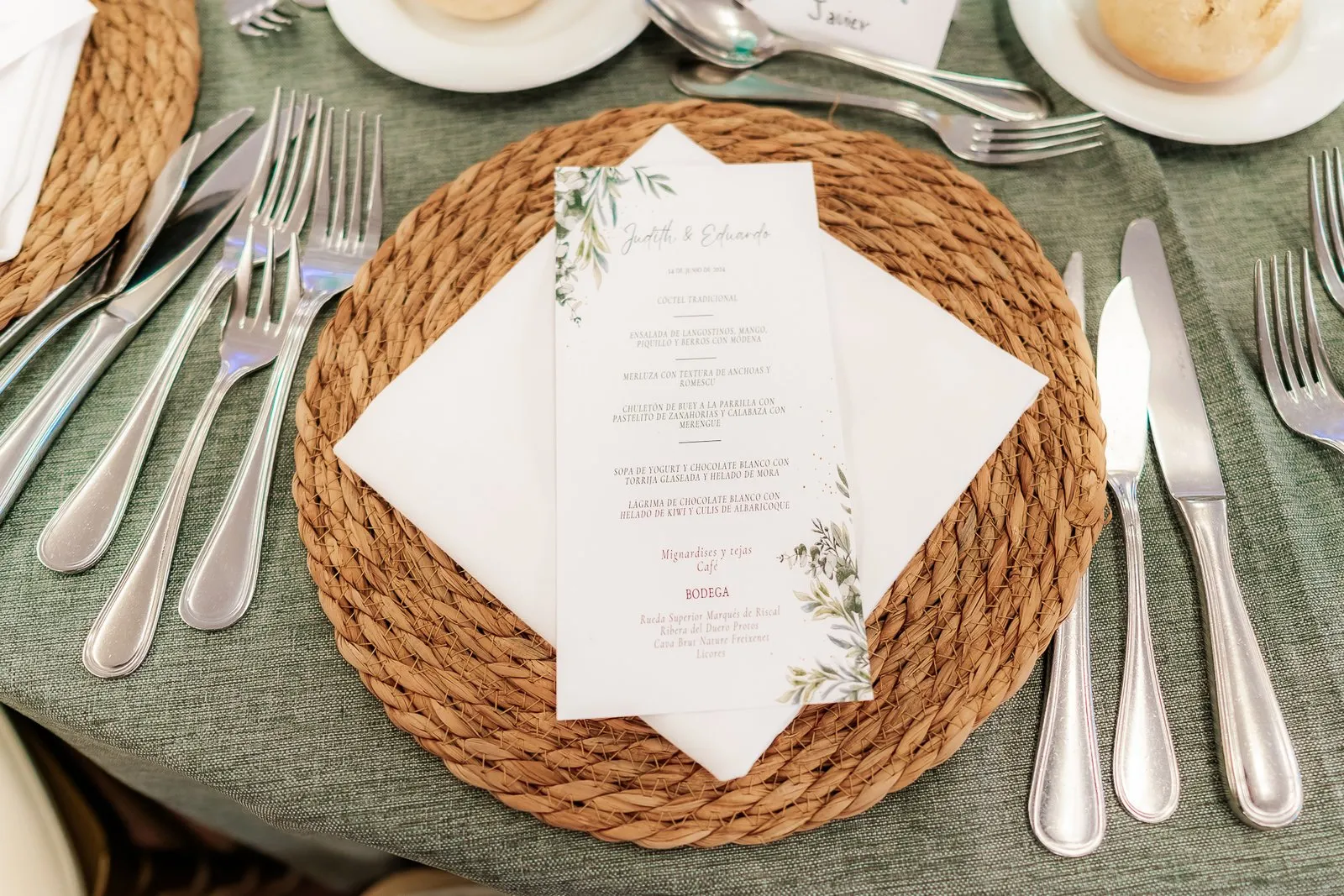
Lists of essentials for organising a wedding enumerate what is needed, but do not distinguish what you can decide on your own from what obliges you to write and wait. And that last point is what determines how long it will take.
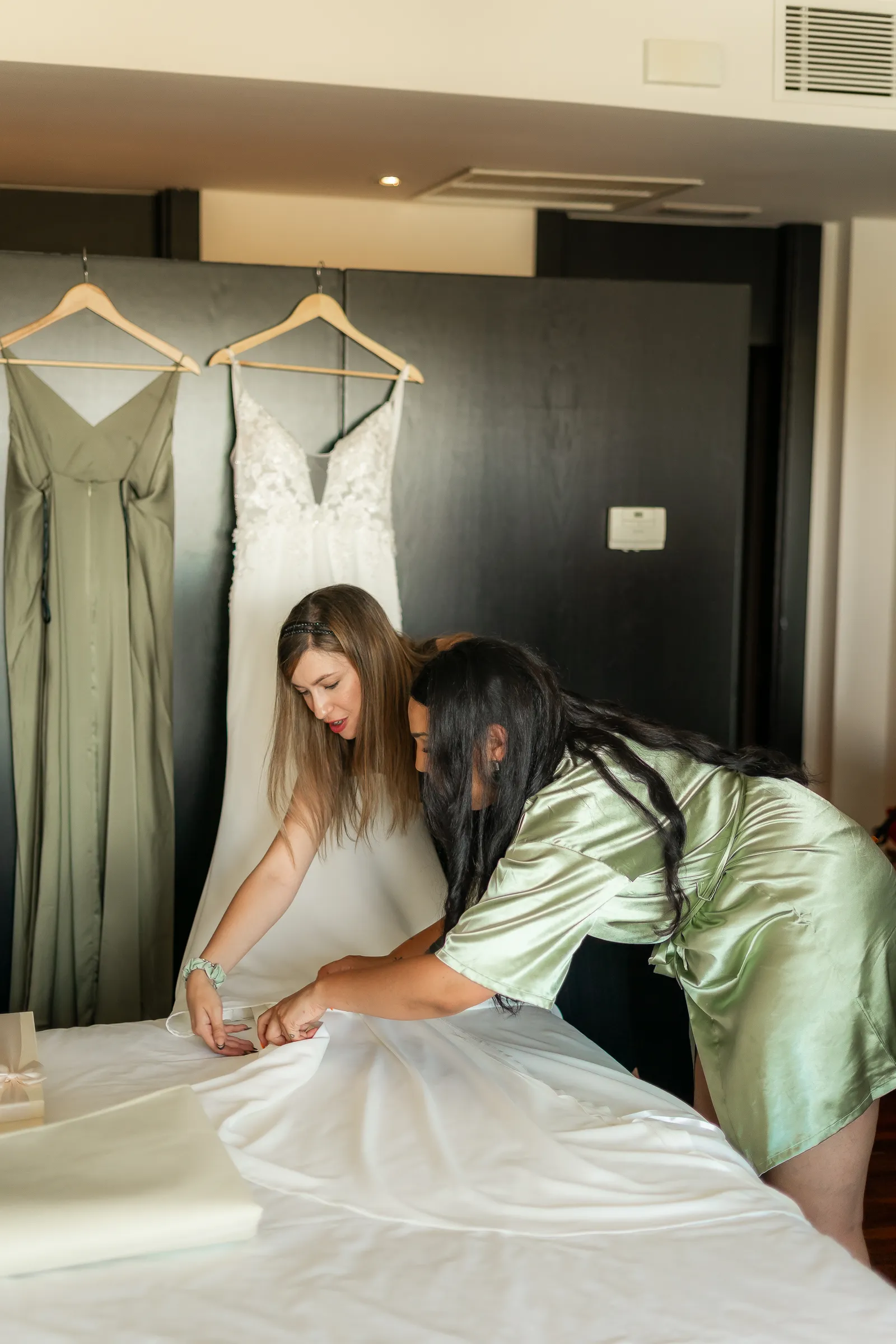
What you can decide without speaking to anyone
- The date and its hour of light. When the sun leaves your place in your month is a calculation, not an opinion. From it comes the hour of the ceremony, and from that the rest of the day.
- The type of venue. Estate, castle, monastery, mill or hotel: each brings its own rules, and that is usually published.
- How many guests sleep elsewhere. It is your own count and decides whether you need a venue with rooms or must plan transfers.
What obliges you to write
Everything else. And not through ill will on the sector's part: the cost of a wedding depends on so many variables that almost nobody can publish it without distorting it. The skill truly required is not choosing well but asking well, so that the answers are comparable with one another.
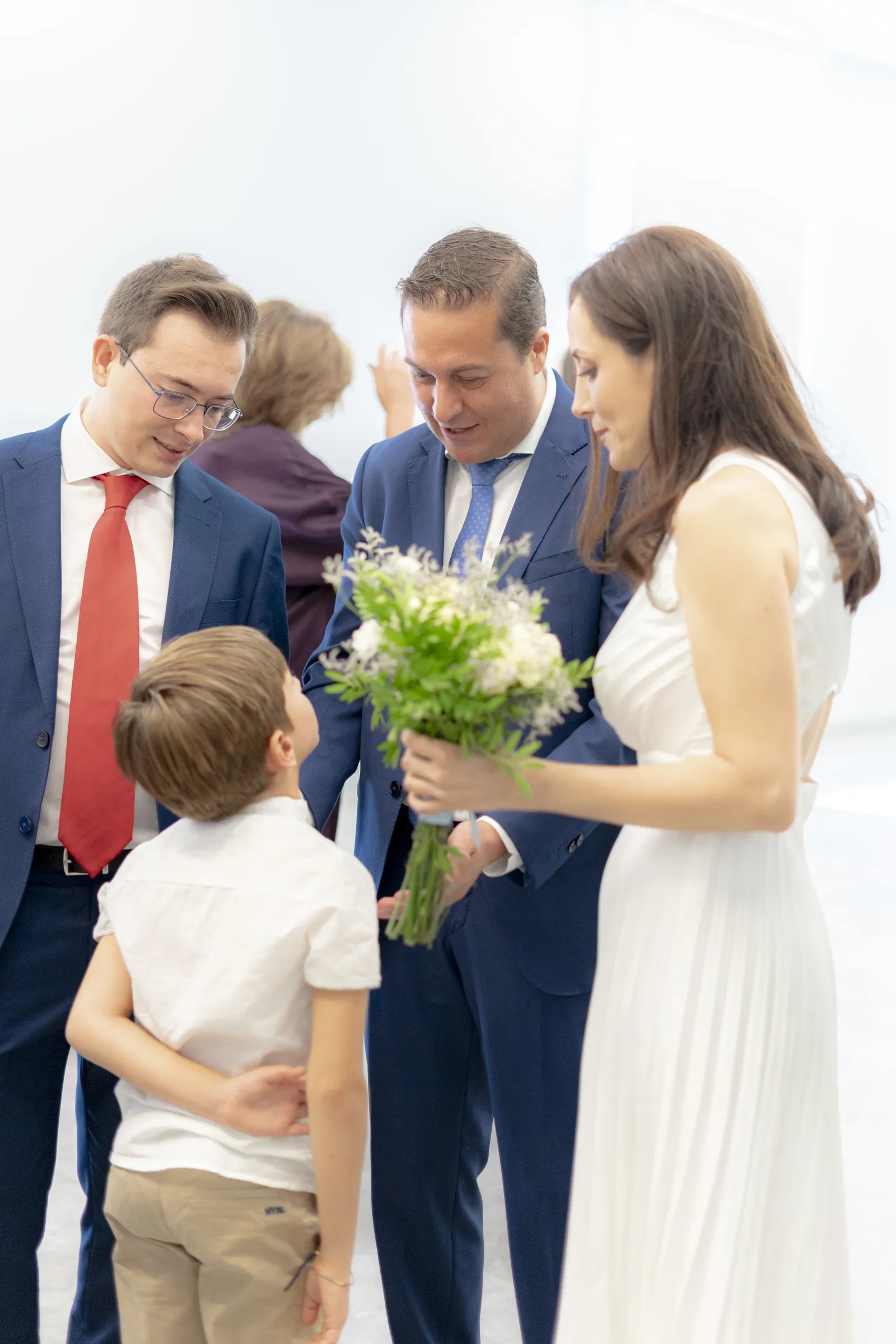
The order that saves the most time
It is not the order of excitement but of availability: what fills first is closed first.
- Venue and date. They go together and rule over everything else. On islands and in high season, the best places are booked a year ahead.
- Stills and film. It is one of the few things that can only be in one place at a time and cannot be duplicated. If who matters to you, it goes here.What to have ready for the wedding preparations.
- Catering, if the venue does not provide it exclusively. Many do: ask on the first day.
- Music, flowers, beauty and the rest. They have more margin, but in July and August they fill too.
- What comes after: delivery of the images. Ask the lead time before signing, not after. Before signing, what to look for in wedding insurance.
What seems essential and is not
A wedding planner is not obligatory, but stops being optional once the wedding is somewhere you cannot visit often: if you are organising an island from another city, someone has to be there. A prior session is not essential either, although it resolves something specific: arriving at the day knowing what it is like to have a camera in front of you.
And there is one thing that is, and almost never appears on lists: deciding who decides. Weddings stall when four people vote on the same matter and none has the last word.
What you must settle: the paperwork
There is one requirement no checklist can skip: the wedding has to be valid. In Spain it can be celebrated in civil form or under canon law. The civil route requires a prior file, processed at the Civil Registry or before a notary, and its authorisation lasts a year. The canonical route has its own file, and that celebration produces civil effects once the church certificate is entered in the Civil Registry.
If both of you are Spanish and resident, the procedure is done with an identity document and a recent birth certificate and, if there was a previous marriage, the corresponding certificates. Foreign documents must be legalised (Hague apostille) and, if not in Spanish, translated by a sworn translator, which is why it is worth starting earlier than it seems.
Who officiates, depending on what you want
A civil ceremony can be celebrated by the mayor, the head of the Civil Registry or a notary. If you also want a symbolic ceremony, with a friend or an officiant, it can take place the same day in the garden; check beforehand how it fits with the legal ceremony.
A short list for the first week
- A possible date and venue, with two alternatives.
- Who decides in case of a tie.
- Which documents each of you needs, and whether either is a foreigner.
- An approximate guest number, without exact figures yet.