Ceremony · 5 min read · Updated
Civil or religious ceremony at the estate:what to ask
No answer counts until it is in writing and confirmed by whoever has the competence to give it.
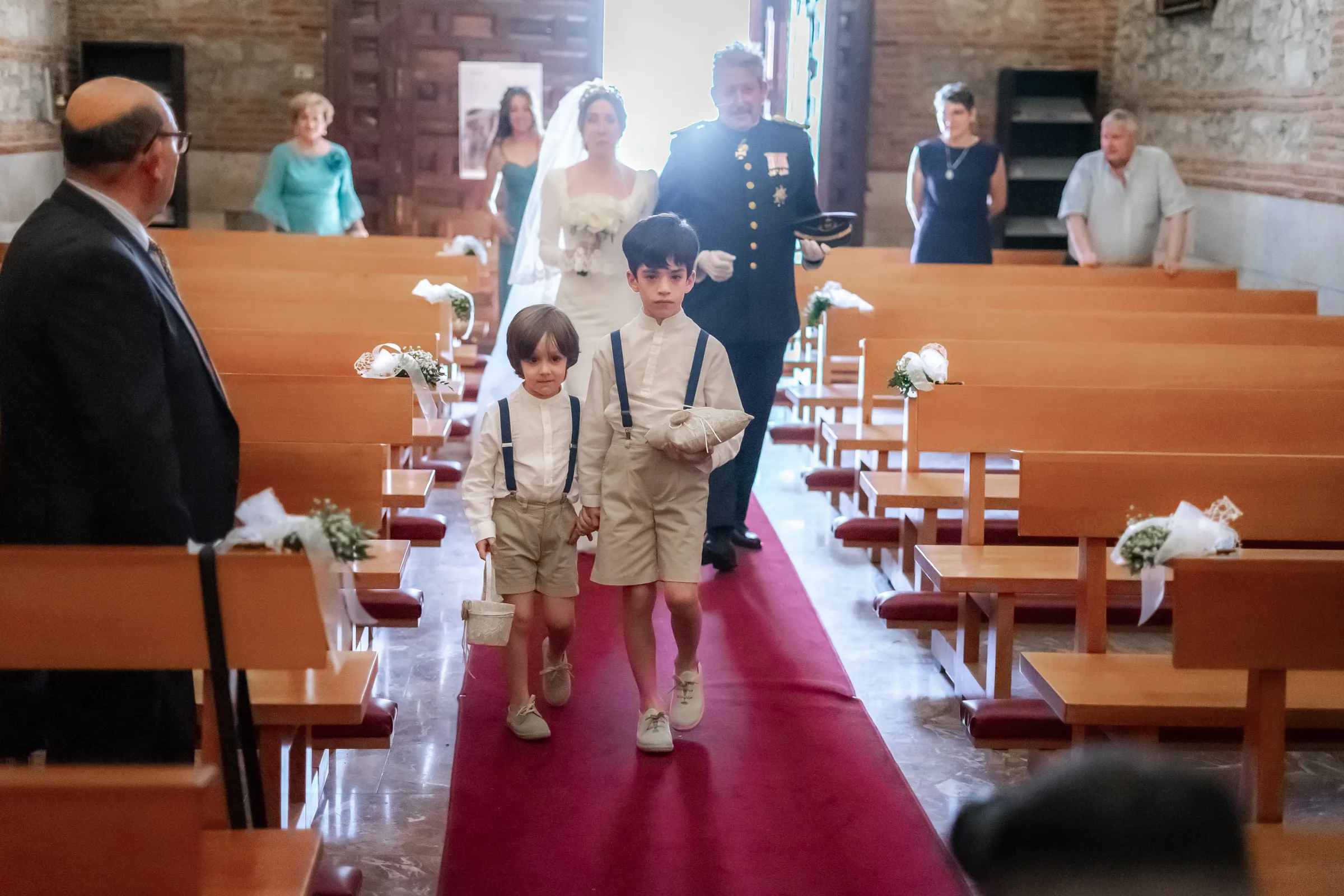
A finca can advertise a «ceremony in the garden» without saying which kind of ceremony it means. The word covers different things, and the difference is usually discovered late.
This text sets out the general legal frame in plain language and gathers the questions worth asking whoever can actually answer them: the house, the town hall, a notary, the diocese or your legal adviser. For your own case, rely only on what they confirm to you in writing.
What the law says, in plain terms
In Spain a person may marry in the civil form set out in the Civil Code, or in a religious form the law recognises. A «symbolic» ceremony that meets neither is a lovely occasion, but it is not a marriage in the eyes of the law.
That is why many couples keep the two apart: they sign the legal part on one date, in a simple setting, and hold the ceremony they have imagined at the estate, with neither replacing the other. The choice is yours; what matters is knowing which of the two acts carries legal effect. What is legal and what is symbolic, in civil wedding in Mallorca.
If the ceremony is civil
The civil route has two steps. First comes a prior record or file confirming that both of you are free to marry; it is handled by a notary in the home area of one of you, by a court clerk (letrado de la Administración de Justicia) or by the Civil Registry. Then comes the ceremony itself, before someone the law authorises: the mayor or a councillor the mayor delegates, the court clerk, or a notary, whom you choose freely.
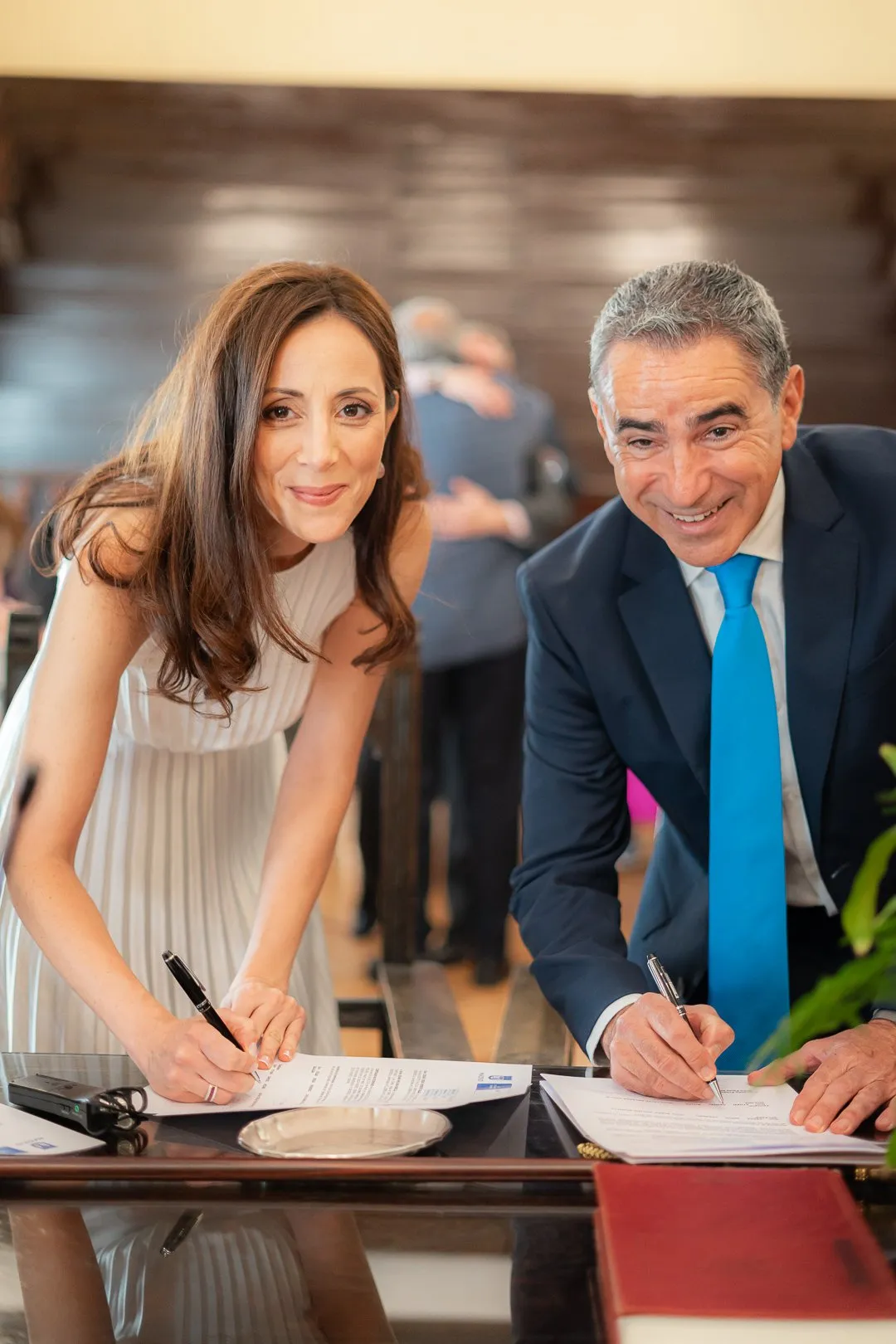
One detail changes the planning: the application for the record names the authority and the place chosen for the ceremony. In other words, the venue is settled at the start of the process, not a week before.
There is also a time limit: if more than a year passes after the notices are published, or the equivalent steps are taken, without the marriage taking place, they must be repeated.
The law says who may marry you; it does not say that person will come to your estate. That is agreed with them. Questions for the house, and for whoever will officiate:
- Does the house hold civil ceremonies in its own space, or does it offer the garden while the act takes place where it should?
- Which procedure or document supports the legal validity of that ceremony?
- Who manages it: the house, you, or a third party?
- Will you confirm it to me in writing?
A website saying «civil ceremony» is not the same as legal validity. Ask for the supporting basis, and check it with the town hall or a legal adviser.
If the ceremony is religious
A chapel on the estate, or a building that looks like a convent, does not mean a religious ceremony can be held in it. For a Catholic marriage, canon law provides that it takes place in a parish church; to hold it in another church or oratory you need a licence from the local Ordinary or the parish priest, and only the local Ordinary may allow another suitable place. Put plainly, the permission rests with the diocese, not with the estate.
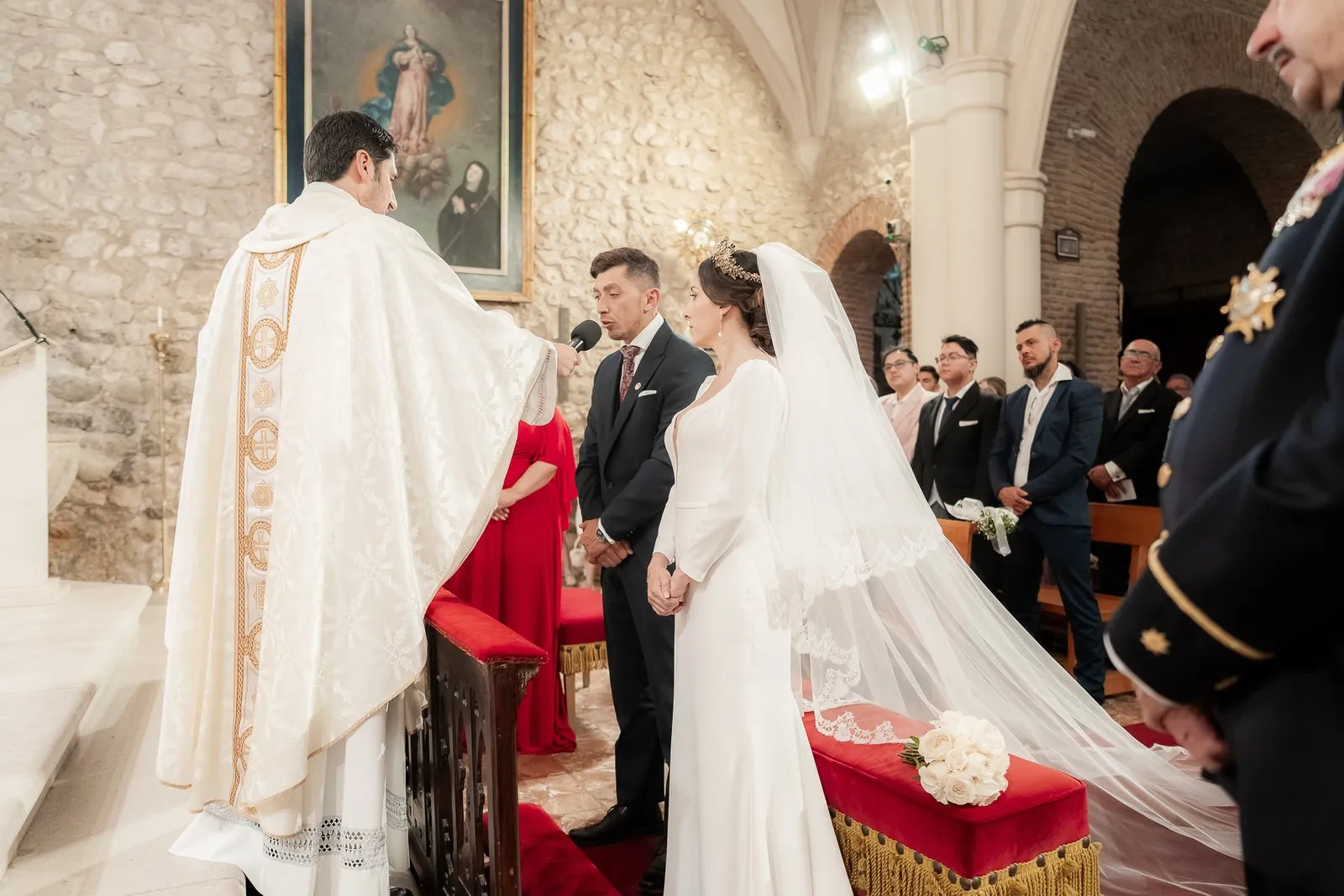
A marriage celebrated under canon law, or in another religious form provided for in the agreements between the State and each faith, has civil effect. For faiths recognised as deeply rooted in Spain, a prior record of capacity is also required, and consent must be given before a minister of worship and two adult witnesses. On seeing each other before the ceremony: the first look, what to bear in mind.
- Who authorises the religious ceremony in this space?
- Can you tell me in writing?
- Is the chapel used only for that, or also for other parts of the wedding?
- Are there rules about where the photographer or filmmaker may stand during the ceremony?
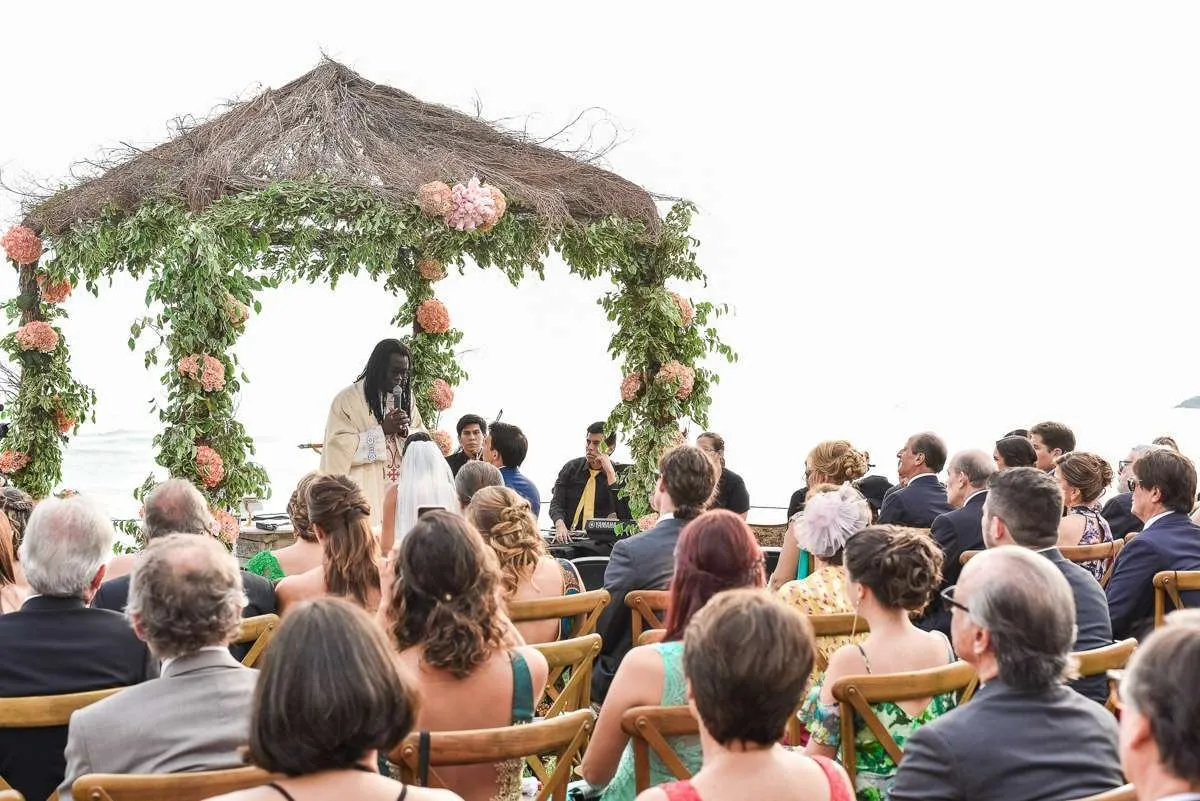
What changes in the space, whichever ceremony you choose
- Sound: in a cloister or a chapel vows bounce, and without amplification they may not be understood.
- Rain: how many people fit under cover if everything must move indoors.
- The house's calendar: whether it holds one wedding a day or two.
- The stone: whether anything can be hung or fixed.
- The hour: a short civil ceremony and a religious one with a full liturgy do not last the same, and the light at the hour you choose decides how the act will look.
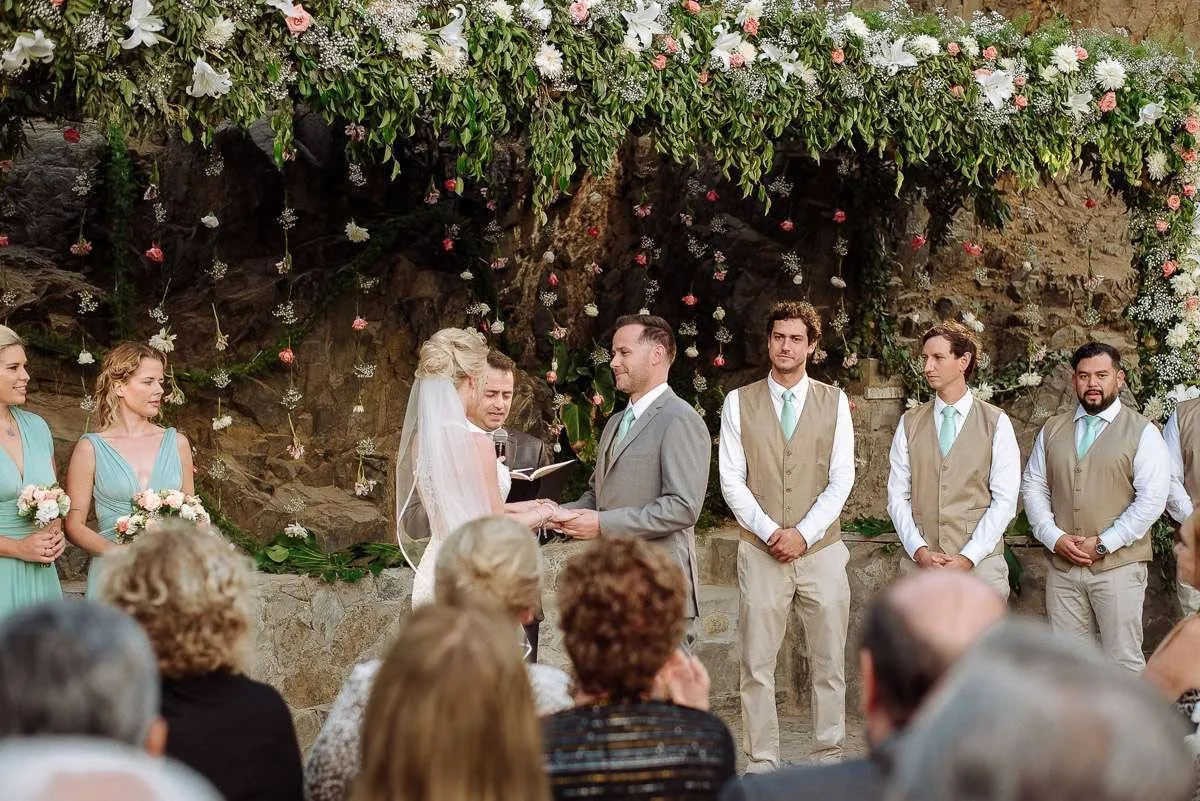
One way to organise it
Draft the questions once and send the same email to each house that interests you. Keep the replies. If one does not arrive in writing, treat it as though it did not exist. And before fixing the date, confirm with the competent party that the procedure you need is possible in that place.
Frequently asked questions
Does a symbolic ceremony have legal validity?
On its own, no. Legal validity comes from the prior record or file and a ceremony before an authority the law recognises, or from a religious form with civil effect. A symbolic ceremony can be held as well, not instead.
Can a notary marry us at the estate?
The law lists the notary among those who may celebrate a marriage, and you choose one freely. Whether the notary will come to a particular place is agreed with them; ask before fixing the date.
Can a religious ceremony be held at an estate with a chapel?
In the Catholic case it depends on the diocese's authorisation. The existence of a chapel does not replace it.
How long is the prior process valid?
If the civil record or file is processed and the marriage does not take place within a year of the notices being published or the equivalent steps, they must be repeated. Confirm the exact period for your case with whoever handles it.