Guide · 6 min read · Updated
First look at a wedding:seeing each other before the ceremony
A moment alone: what changes when the couple see each other before the ceremony.
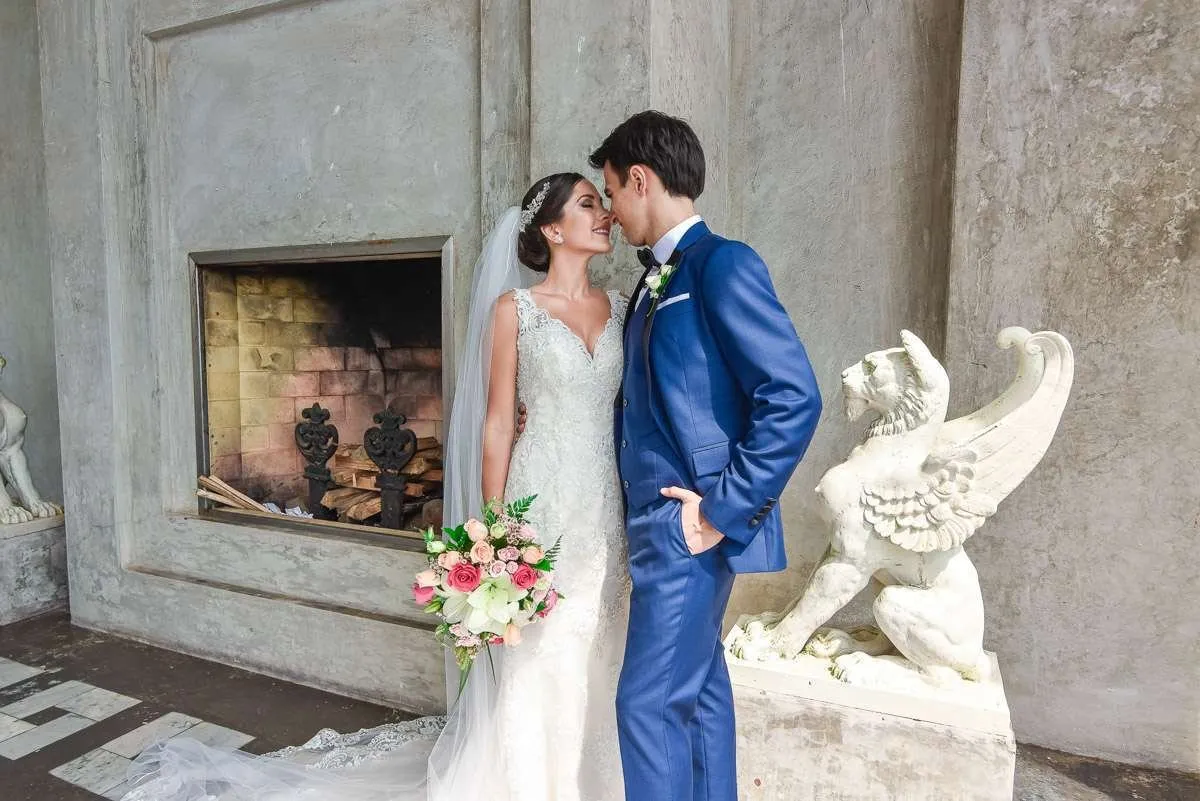
What a first look is, and what it is not
A first look at a wedding is the moment when the couple see each other for the first time on the day, alone and before the ceremony, instead of when one of them appears at the end of the aisle. It is a custom some couples adopt and others discard with equal conviction, so it is worth understanding what it is before deciding.
It is usually a short, private meeting. One waits with their back turned in a quiet spot, the other approaches, taps them on the shoulder and they turn around. After that come the portraits of the two of you, unhurried and with no guests waiting, and then each of you gets ready for the ceremony.
It is not a pre-wedding session: that happens on another day, in other clothes and another mood, and we explain it in when to hold a pre-wedding session. Nor does it replace the ceremony: the moment you live in front of everyone, the vows or the yes, is still yours. All that moves earlier is the first look.
Who it makes sense for
There is no ideal couple for this. There are, however, situations where it tends to fit:
- If the entrance worries you. Some people picture the aisle with joy and others with a knot in the stomach. Seeing each other first, alone, takes a hundred pairs of eyes off that first moment.
- If you want unhurried portraits. Without a first look, the couple's photographs are made in the gap between the ceremony and the meal, often with the cocktail hour waiting. With one, part of them moves earlier.
- If the ceremony is late. When the sun is already low as you leave it, little margin remains. Making the couple's portraits beforehand gives slack.
- If it feels natural. Some couples are moved with a camera at a distance and others prefer nobody close. Both are fine; what matters is that the moment is yours.
Who it does not make sense for, and how to respect that
For many people, arriving at the ceremony without having seen each other is part of what the day means, and sometimes more so for their parents or grandparents than for themselves. It is a tradition, and a wedding that honours it can be photographed just as well. What changes is where the images fall: more portraits of each of you separately beforehand, the welcome of the guests, and the couple with time right after the ceremony.
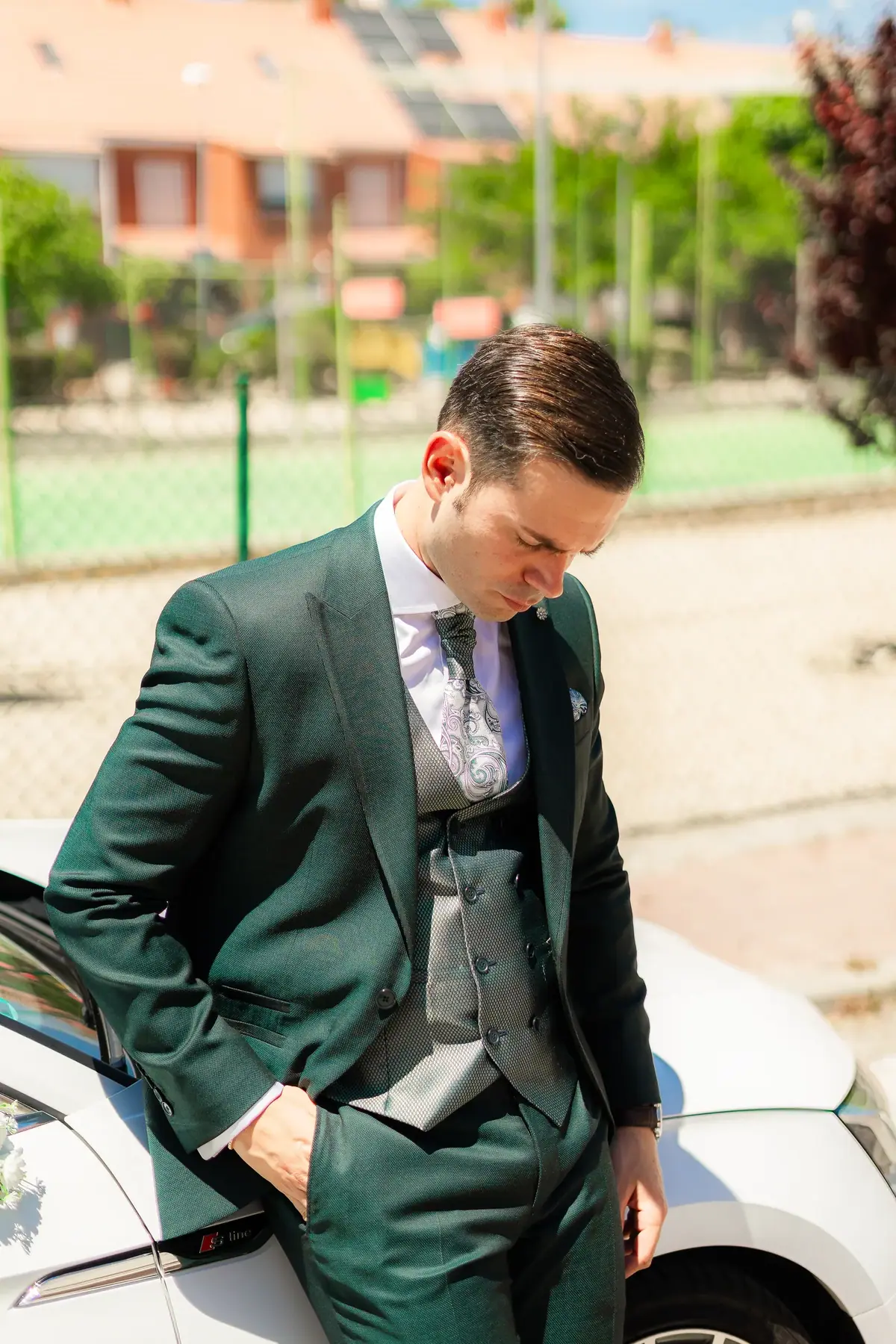
If the ceremony is religious, there is one more conversation to have. A first look can live alongside it, but if the officiant or the family give weight to the moment of the entrance, it is better to talk it through beforehand than to improvise. If there are rules about time or place, they will come from whoever celebrates the service, not from the estate or the image team; the article on civil or religious ceremony at the estate gathers the questions worth asking.
And there is a middle way some couples choose: talking, or holding hands, with a door or a wall between you. The intimacy is kept and the first look waits for the ceremony.
How the day changes: light, nerves and cocktail hour
Light and time. With a first look, the couple's portraits stop depending on the gap between ceremony and meal. There is more margin and less rush. But it does not solve the light: whatever happens before the ceremony falls at the hour it falls, and at midday the light can be harsh. A shaded porch or a room with a window helps. And the warm light at the end of the afternoon is still there: it can be used with a short escape, as the article on the wedding timetable explains. What lies in front of the house at that hour depends on the zone, and the guide to light by zone in Mallorca helps you work it out. And how long the couple's portraits last and where they are taken has its own guide. Directing the frame, not the reaction: documentary or posed.
Nerves. For some people, seeing the other lowers the shoulders. You can breathe, laugh, say something you did not want to say in front of anyone, and reach the ceremony calmer. But there is the other side too: whoever enjoys the moment of watching the other walk in will notice that surprise is no longer there. The emotion does not vanish; it changes place.
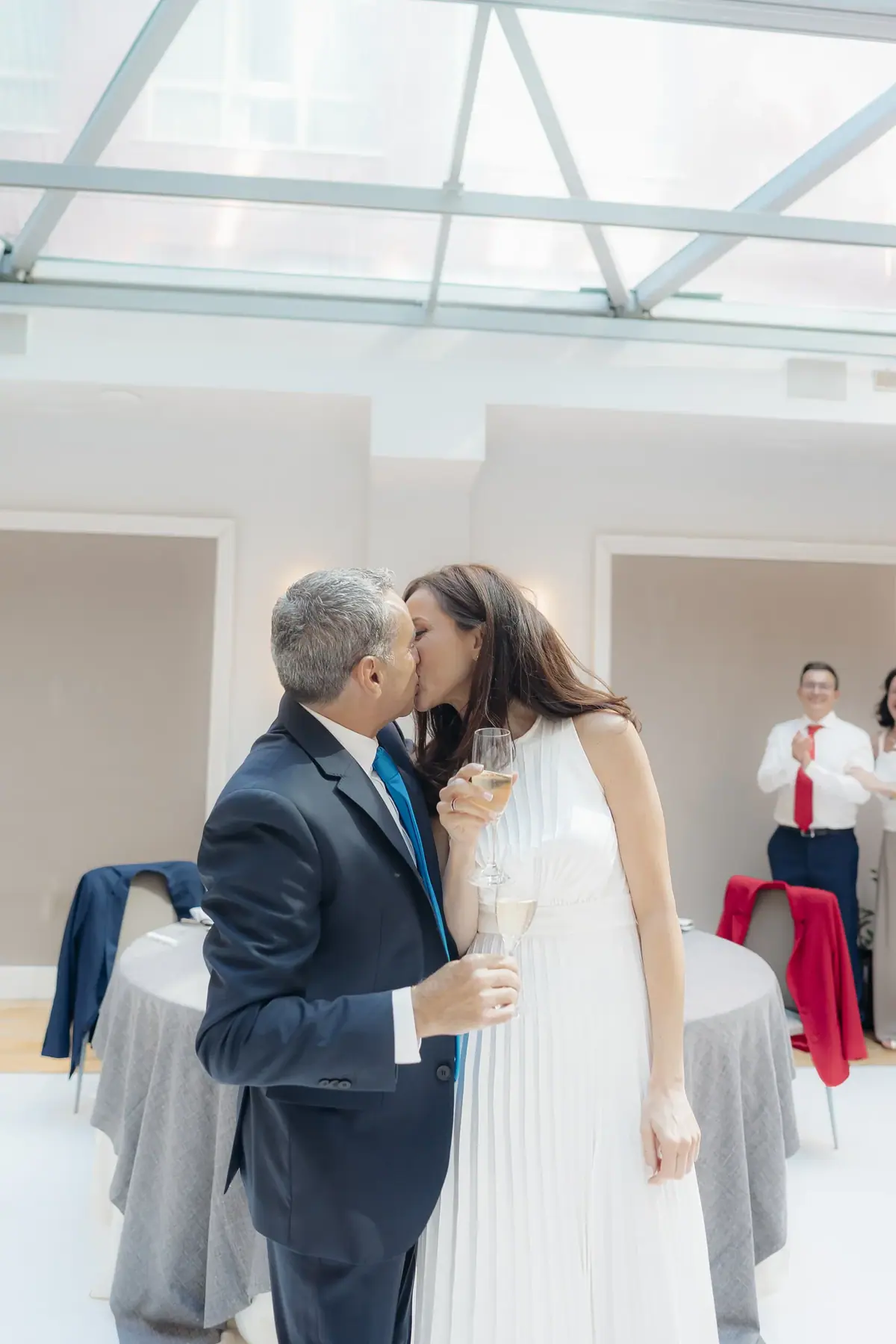
The cocktail hour. If a good part of the portraits is already done, the couple arrive at the cocktail hour and stay. The guests do not wait, and you do not miss the conversation with those who travelled far. The trade-off is logistical: hair, make-up and dress must be ready earlier than usual, which brings the preparations forward and lengthens the time in the outfit.How to order that morning: unhurried wedding preparations.
How to organise it so it goes well
A first look needs little, but it does need four decisions beforehand:
- The place. A quiet spot, with shade or soft light, no guests or suppliers passing, and somewhere to wait with your back turned. Ask the house in advance, as you would for the ceremony space.
- Who is there. Only the two of you and whoever photographs, at a distance that does not intrude. If there is film, the team should be discreet and agree with the stills team, as we explain in wedding photographer and filmmaker.
- The margin. No stopwatch. Some meetings last an instant and others stretch because the two of you are simply looking at each other. Leave a gap in the timetable, and decide on the day whether to use it.
- What comes after. The portraits of the two of you, a moment with the closest family if you wish, and a few calm minutes, with water, before the ceremony.
Also ask whoever will photograph how they work that moment: where they stand, what they ask of you and what they do not. It is one of the questions in the article on how to choose a wedding photographer.
What to ask yourselves before deciding
There is no right answer, only one that looks like you. These questions help find it:
- What matters more to us: the entrance in front of everyone or the first moment alone?
- What do our families think, and the officiant, if the ceremony is religious?
- How long do we want to spend with the guests at the cocktail hour? On family photos: how to organise them without losing the cocktail.
- Are we comfortable with a camera close by at such a personal moment?
- What time is the ceremony and what light will there be beforehand?
- Can we be ready earlier without the day stretching too far?
If you cannot agree, that is fine: you can leave a margin in the timetable and decide on the day, without commitment. And if you would like your wedding to have that care, from how the timetable is prepared to the moment you look at each other, tell us your story.
Frequently asked questions
What is a first look at a wedding?
It is a private meeting between the couple before the ceremony, in which they see each other for the first time that day, alone and with a photographer nearby. The portraits of the two of you follow, unhurried. It does not replace the ceremony and is not the same as a pre-wedding session.
Can you have a first look if the ceremony is religious?
It depends on the couple, the family and whoever officiates. It is best to talk it through with them beforehand. If there are rules about time or place, they will come from whoever celebrates the service, not from the image team.
Is it bad luck for the couple to see each other before the wedding?
It is a belief of tradition, not a fact. What counts is what it means to you and your families. If the moment of the entrance has a special value for you, it makes complete sense to keep it.
How long does a first look last?
There is no right duration. What you plan is the margin in the timetable: a gap you may or may not use. Ask the team how much margin they usually leave and how they work that moment.