Guide · Wedding film · 6 min read · Updated
Wedding trailer and film:what each one is and which to choose
One piece to share, another to watch: how to decide which suits you.
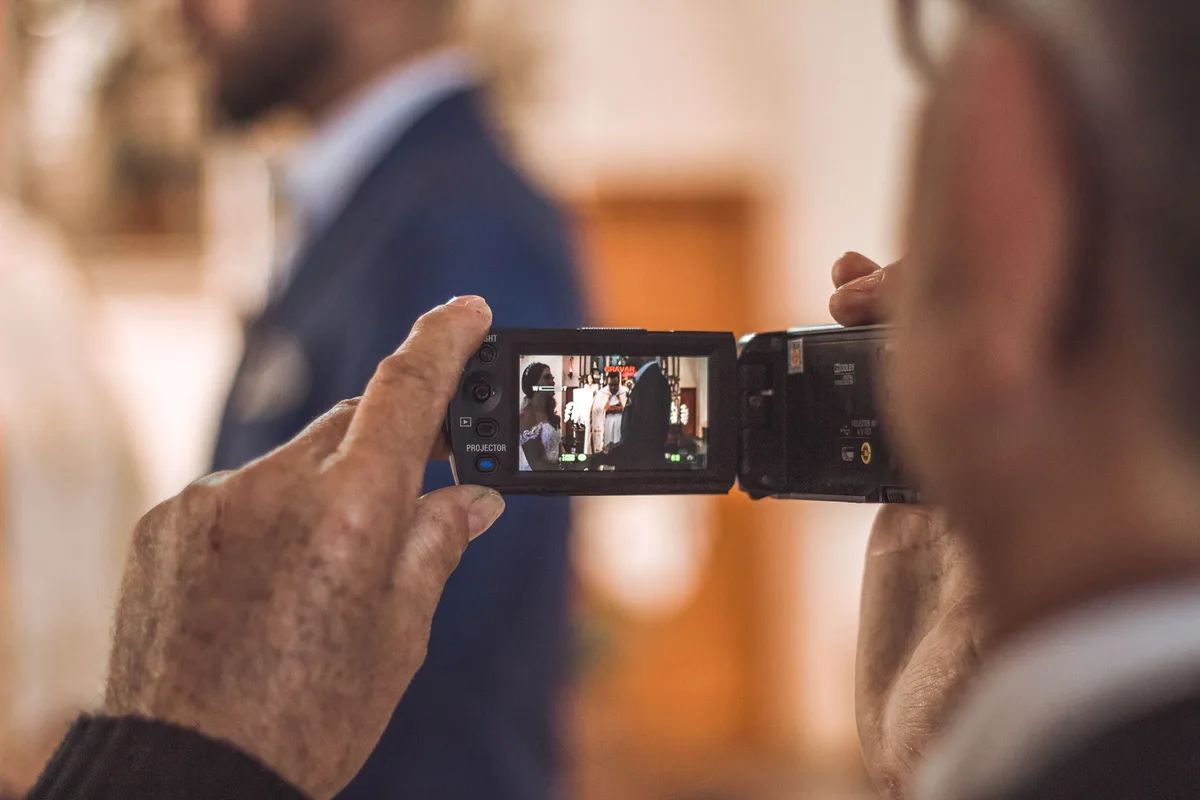
A wedding trailer is the short piece you share; the film, the long one you watch calmly. They are two different things, even though they come from the same day, and mixing them up leads you to ask for one when you wanted the other. This text explains how they differ in format, sound and music, when each one usually arrives and what to ask before deciding.
We are talking about what changes when you choose, not about how long each piece lasts: that is in the length section of the article on the wedding film. What follows is general rule of thumb from the trade, except for the music, where the law is cited.
Format: one piece to show and another to watch
The trailer is made to travel. It gathers the moments that best sum up the day, at a brisk pace, and it is meant to be sent to someone who could not come, shown to the family while the wedding is still being talked about, or dropped into a message. It is watched on a phone, in one go, and works best the less it explains.
The film is something else. It tells the day in order, from the morning to the dancing, and it is made to be watched seated, on a big screen and without hurry. It does not summarise: it keeps. It is the piece you go back to in a few years, when you have forgotten how the ceremony went or what each person said.
The underlying difference is one of purpose. The trailer stirs the feeling of the day; the film keeps its story. That is why they do not compete, and why the useful question is not which is better, but what you want each one for.
Sound: music on top or real voices
In a trailer the music usually leads. The images are cut to the beat of a song and almost everything that was said fades into the background or is cut. It is an editing decision, not a flaw, but it is worth knowing it exists before you ask for it. Among those images, the wedding details.
In the film, on the other hand, real sound weighs as much as the image: the vows, the father’s speech, someone’s laughter in the background. It is what a photograph cannot give and what the trailer, by its format, almost always leaves out. If what matters most is hearing again what was said, that piece is the film.
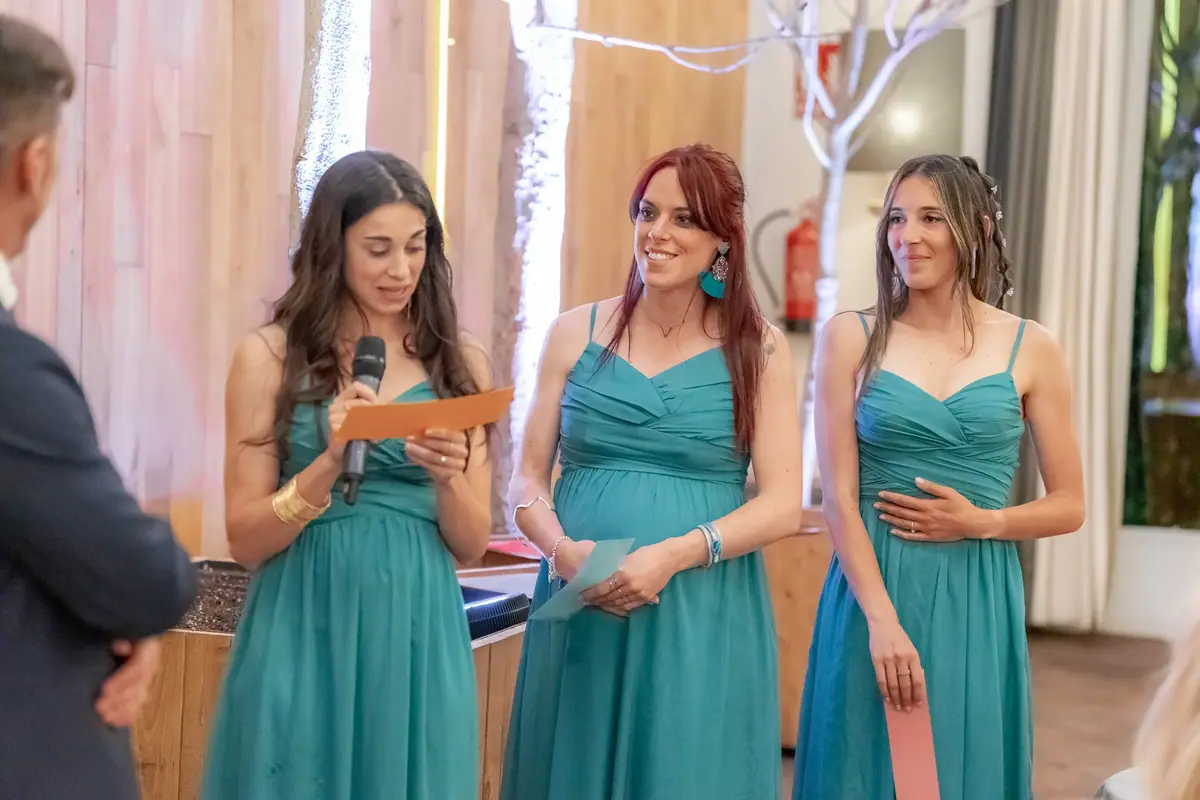
For there to be a voice to keep, it has to be prepared before the day: who holds the microphone, where the speaker stands, what the person in charge of the music is told. All of that is in the guide to speeches and the first dance; and how the voice is picked up at the ceremony is in the sound section of the article on the wedding film.And the music and the light of the dance floor, in wedding party photos. And which moments are worth flagging to whoever films: wedding film moments.
One practical question: will there be a real phrase among the music of the trailer? That is decided while editing, and it can be asked for. If it is not asked for, the music will most likely cover everything.
Music and its rights
The music in a trailer is not an ornament added at the end: it is usually someone else’s, and the Intellectual Property Act recognises rights for its author. According to its consolidated text, the author alone holds the exploitation rights over a work, in particular reproduction, distribution, public communication and transformation, which may not be carried out without the author’s permission except in the cases the law itself provides for (art. 17). And it understands reproduction as fixing the whole work or part of it, by any means, so that it can be communicated or copied (art. 18). The definition speaks of the whole work or part of it.
The law also defines public communication as any act by which a number of people can gain access to the work, and does not consider it public when it takes place within a strictly domestic setting that is not integrated into or connected to any kind of broadcasting network (art. 20.1). Among the acts of public communication it lists making works available by wired or wireless means so that anyone can access them from a place and at a time of their choosing (art. 20.2.i).
So the useful question is who authorises the use of a song in a new piece. What you can do is ask, in writing:
- Where the music comes from in the trailer and in the film, and who sorts it out.
- Whether you can suggest a song and who decides if it can be used.
- Whether you may publish the piece on social media as it is, or whether there are limits.
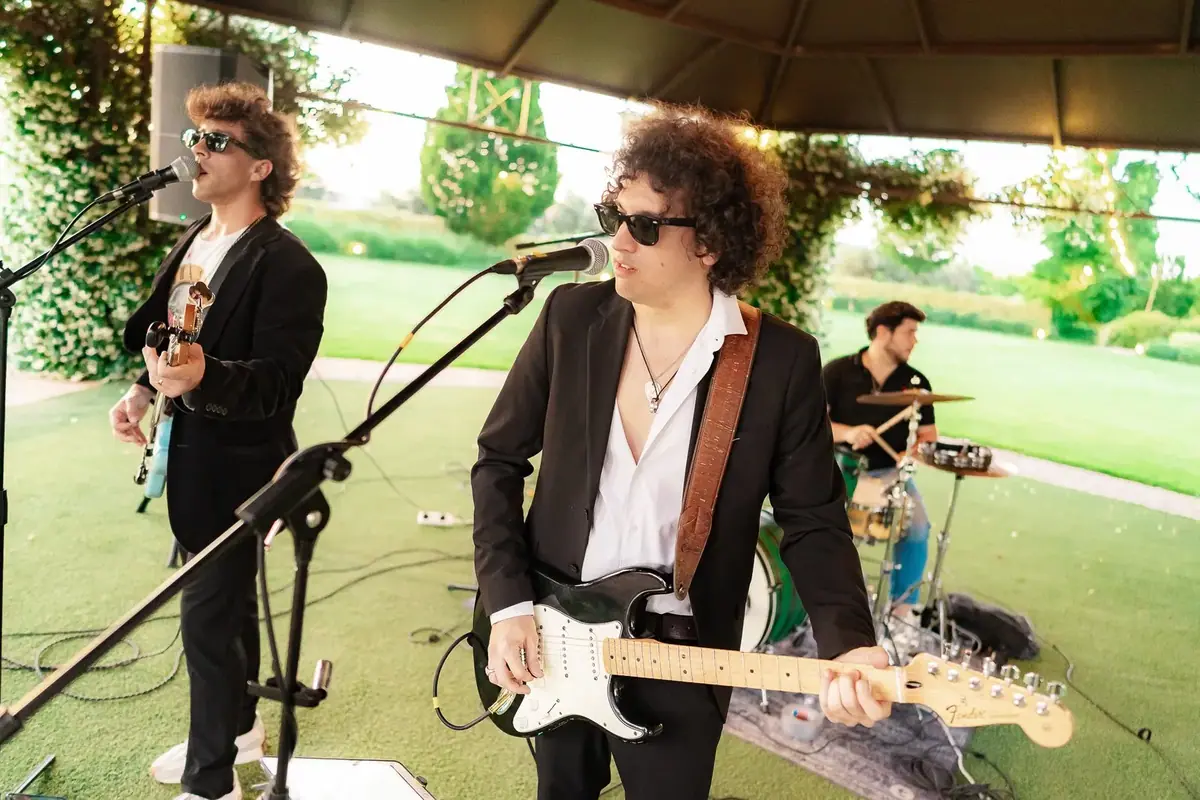
- What happens with the music that really plays at the wedding, the band’s or the DJ’s, when it ends up recorded in the sound of the room.
This is general information, not legal advice: for a specific case, consult a lawyer.
When each piece arrives
The order and the dates are set by each team, and the prudent thing is for them to be in writing, each piece with its own. A film takes more editing work than a short piece, which is why they rarely coincide. Nor is there a common rule: what is the first thing delivered for some is a final extra for others.
So ask three things: whether the trailer arrives before the film or at the same time, whether it has its own date, and what happens if the film is late, that is, whether the trailer is still delivered. How to read delivery times, and why it helps to ask for one per piece, is in the guide to delivery times, which has a section on the preview and what it changes about the wait.
Which to choose
- If you want to show it early and to many people, to those who could not come or to family far away: the trailer.
- If you want to keep what was said and the whole day, to watch calmly: the film.
- If the music matters a lot to you: settle which goes in each piece and who authorises it before anything is edited.
- If it can only be one: the film. The trailer shows the wedding; the film keeps it, with its voice.
And they need not exclude each other. Ask whether the trailer is cut from the same material and with the same colour as the film, or whether it is a separate piece. The answer depends on how the team works, and how to compare photo and film teams is in the guide to hiring one team.
What to ask before deciding
A sheet with these six questions, sent before signing, avoids almost every surprise:
- Are both pieces delivered, or can only one be requested?
- Are the trailer and the film cut from the same material and with the same colour?
- What sound does each have, and will there be a real phrase in the trailer?
- Where does the music come from and who authorises it? May I publish it on social media?
- When does each piece arrive? Is it in writing?
- In what format do I receive each one: to watch on a big screen and for the phone?
The general questions for comparing teams are in the eight questions for choosing a photographer.
If you would like to talk about which piece suits you, tell us your story.
Frequently asked questions
What is the difference between a wedding trailer and the film?
The trailer is the short piece, made to be shared early and watched on a phone. The film is the long one, made to be watched calmly and to keep the real sound: vows, speeches, laughter. They come from the same day but have different purposes.
Does a wedding trailer have the real sound?
As a rule the music leads and the direct sound fades into the background. You can ask for a real phrase to appear among the music; it is decided while editing. This is a rule of thumb from the trade, not a regulation.
Can I choose the song for the trailer?
You can suggest one, but ask who decides whether it can be used and whether you may publish the piece on social media. Spain’s Intellectual Property Act recognises the author’s exclusive exploitation rights over a work (art. 17) and defines public communication, excluding a strictly domestic setting not connected to a broadcasting network (art. 20.1). For a specific case, consult a lawyer.
When does the trailer arrive and when the film?
Each team sets it, and it should be in writing, with a date for each piece. The film takes more editing work, so they rarely coincide; ask whether the trailer is delivered even if the film is not ready.
If you are planning a wedding in Mallorca, Ibiza or Madrid, explore MAKERSWED's wedding photography and film collections, read the frequently asked questions or shape your story in three short questions.