Guide · 6 min read · Updated
Where to hold a wedding in Ibizatypes of place and what to ask
Five kinds of place and what to ask each one in writing before you fall for the setting.
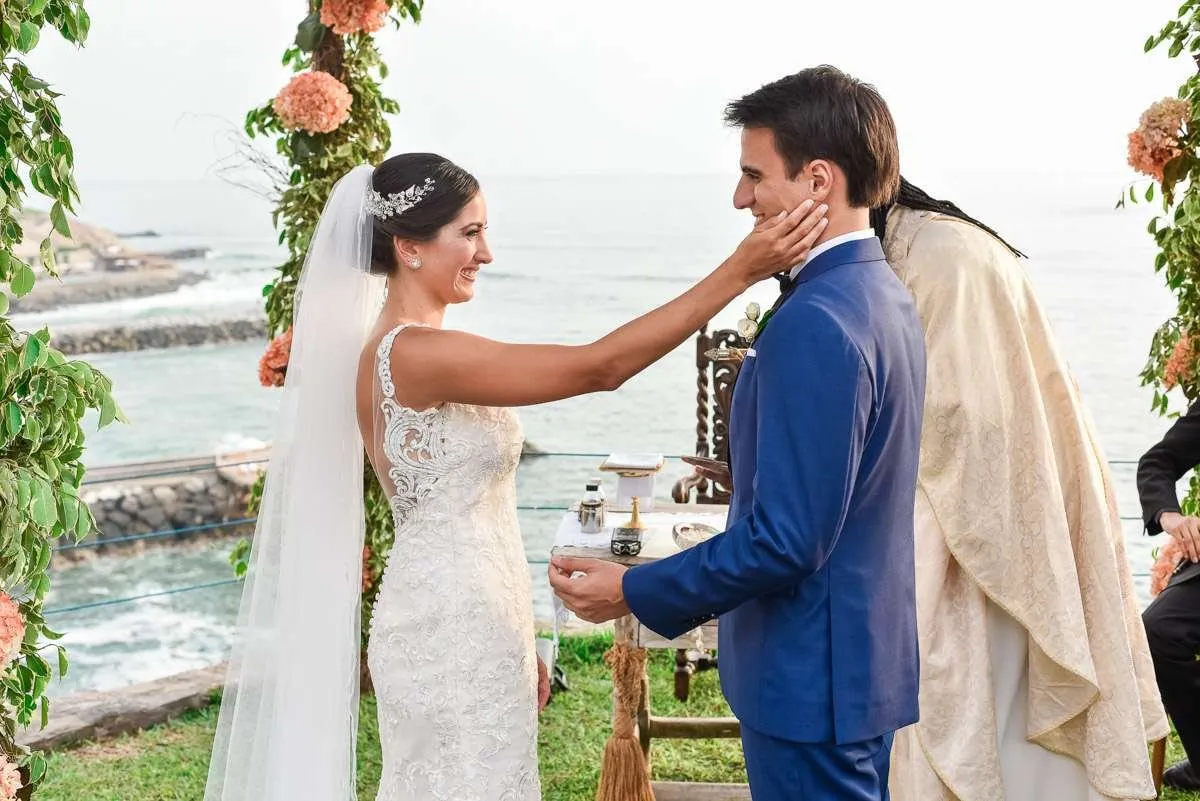
Knowing where to hold a wedding in Ibiza starts with deciding the type of place, not the name. A country house, a hotel, a cove, a village and a garden solve the day in different ways and call for different questions. If you are still torn between islands, you will find that in Ibiza or Mallorca; the time the sun goes down, in weddings in Ibiza; and the same approach for the other island, in where to hold a wedding in Mallorca. Here we cover what changes in Ibiza: a small island, with public beaches and protected areas.
A casa payesa or a country estate
The casa payesa is the island's traditional rural house. According to the Santa Eulària des Riu tourism website, it was made of cubic modules added as the family needed them, built on its own farmland with a well, an oven and a cistern, and arranged around the porxo, the main room, generally facing south. What it offers a wedding is space and calm: ceremony, cocktail and dinner can all happen without leaving the property, and the couple get ready in the house.
It helps to know what you are looking at. An estate may be a genuine casa payesa, a renovation or a recent building, and all three can be lovely, but they are not organised the same way. Ask, and get the answer in writing:
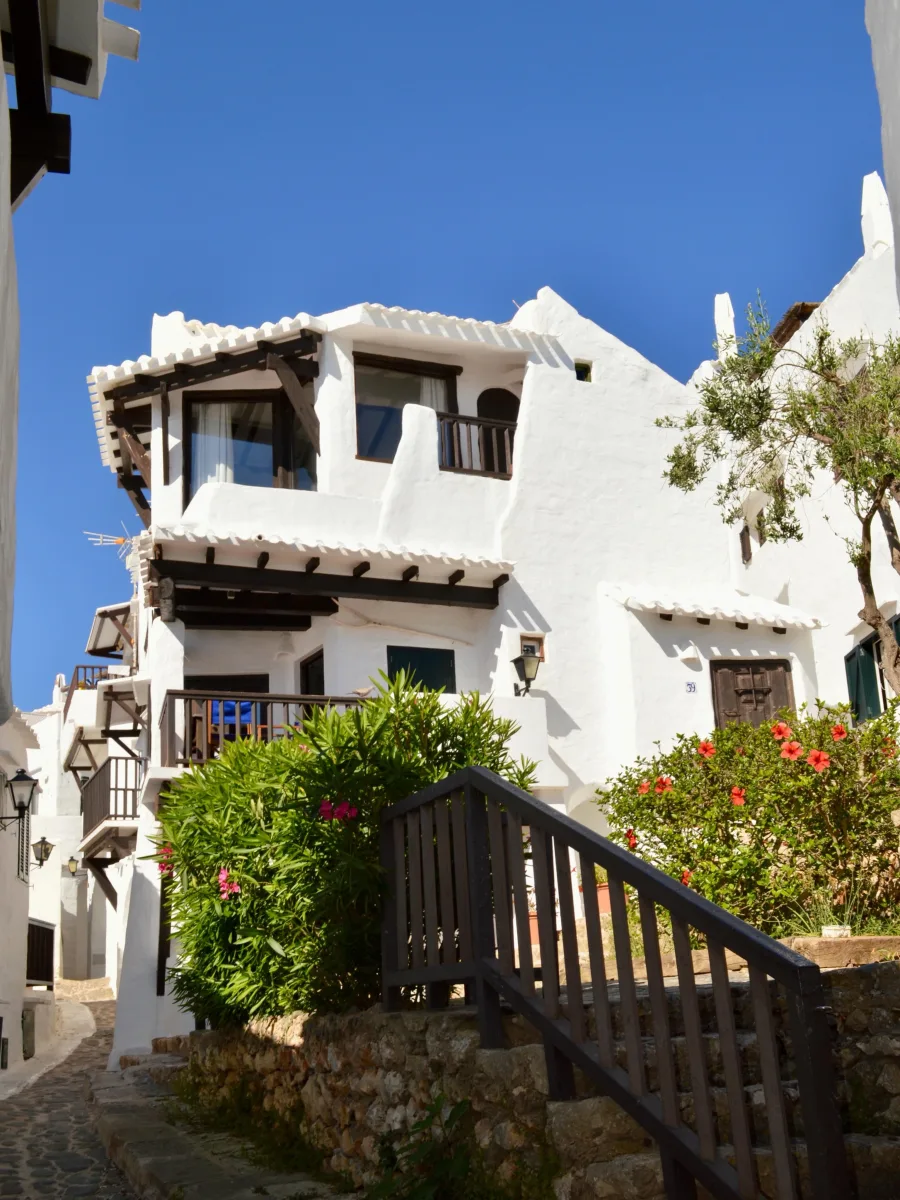
- Which part of the property is the old house and what has been added, and which spaces are used for the wedding.
- What is genuinely under cover and how many people fit seated, for the ceremony and for dinner separately. The plan B, in detail, in what to settle if it rains.
- How many people sleep in the house and how many must find accommodation elsewhere; how they get back at night. On out-of-town guests, where they will sleep.
- How you get there: whether the track takes a coach or only cars, and what happens to it if it rains.
A hotel
The advantage of a hotel is that everything is in one building: rooms, halls, kitchen and staff used to celebrations. The trade-off is that the building is not only yours.
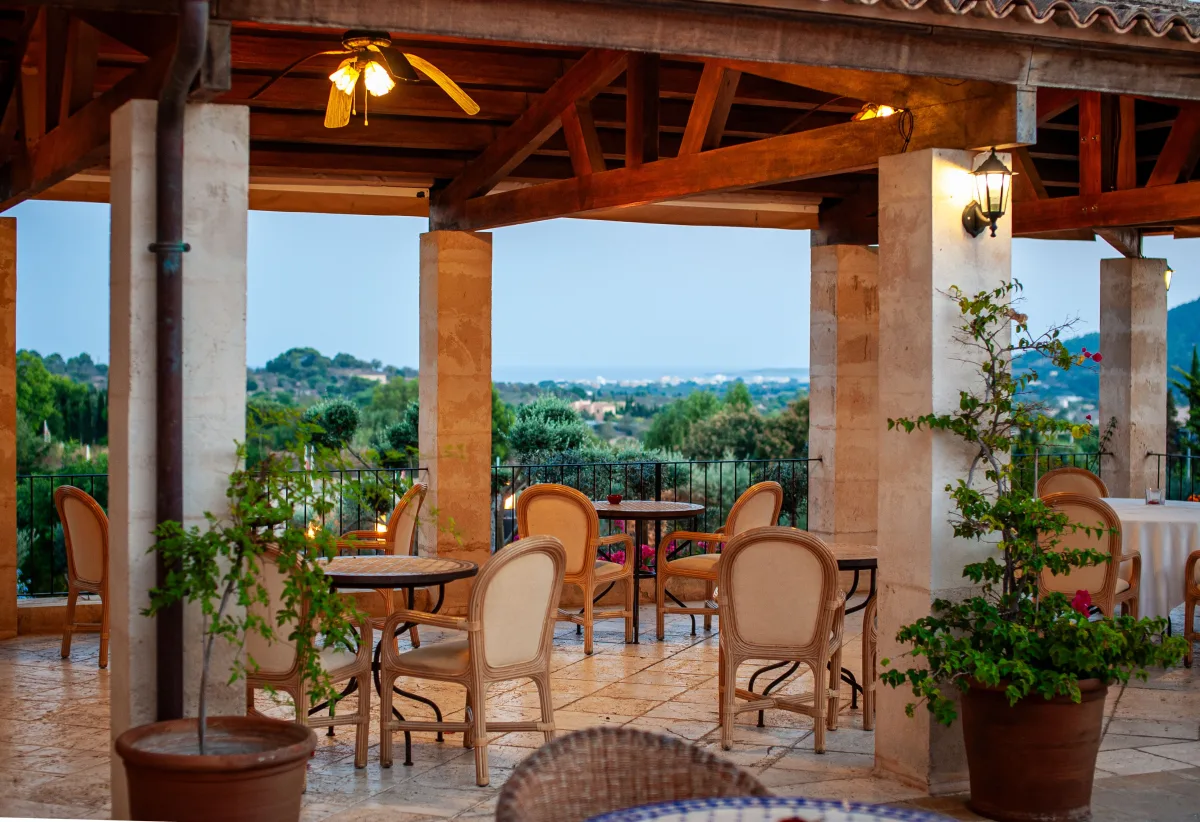
On the light of a building without a garden, there is a guide written from another city that holds here too: weddings in hotels. And these are the questions specific to the type:
- Which areas it shares with other guests during the ceremony and the couple's session: pool, terrace, lobby, lifts.
- Which is the alternative hall if it rains, how much natural light it gets and how it looks at seven in the evening.
By the sea or in a cove
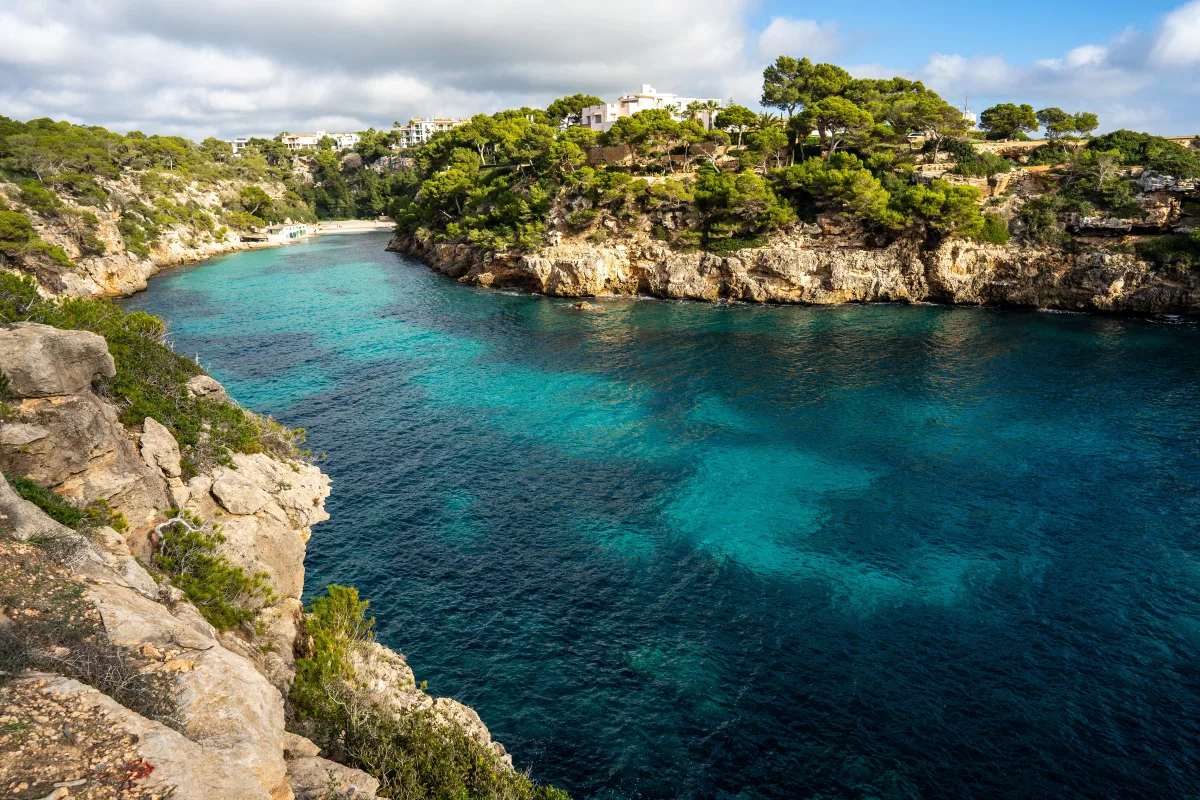
A ceremony with the sea behind is the most sought-after image, and there are two ways to get it that you ask about differently. One is the terrace or garden of a house or hotel above the sea; the other, the sand of a cove itself. With the second, the rules change.
Spain's Coastal Law declares the use of the sea and its shore free, public and without charge for common uses such as walking, staying or bathing, provided they need no works or installations; uses that do need them can only be covered by an authorisation or a concession (article 31). And beaches are not for private use (article 33.1). Two practical consequences follow: nobody can guarantee that the cove will be empty at the time of the ceremony, and if you plan to set up anything on the sand, chairs, an arch or sound, you need to ask the town hall and the coastal authority whether authorisation is required and who handles it. We cover the time that authorisation takes in weddings in Ibiza.
There is a second limit specific to the Pitiusas. The ses Salines of Eivissa and Formentera natural park covers an area within the municipality of Sant Josep de sa Talaia, in Ibiza, and that of Formentera, within the limits set by law. That law generally prohibits activities that physically or functionally alter its ecosystems, and leaves the specific rules to a use and management plan (articles 4 and 10). We do not say whether a particular ceremony fits: it has to be asked. We talk about Formentera in getting married in Formentera.
- Whether the ceremony spot is the property's own land or public domain, and whether it lies within a protected area. Have whoever offers it say so in writing.
- Who applies for the permit, if one is needed, and how long ahead you will get the answer.
- How you get down to the spot: steps, path, sand; think of older guests and of footwear.
- Where everyone shelters if the wind rises or it rains: on the coast there is no plan B without a roof nearby.
A village and its town hall
This is the place for those who prefer a wedding on foot: church or town hall, square, narrow streets and the odd manor house. The island is divided into five municipalities, Eivissa, Santa Eulària des Riu, Sant Josep de sa Talaia, Sant Antoni de Portmany and Sant Joan de Labritja, and the first thing to know is which one the place falls in, which is not always that of the village where the guests stay. The questions that follow depend on that town hall.
- Whether that town hall holds civil weddings, which days and at what times, and how far ahead you must ask for a slot. Ask before fixing the date: the ceremony time may be given to you, and the rest of the day is organised from there.
- Until what time a square or terrace allows music: ask the town hall, not the venue.
What is legal and what is symbolic we explain in civil wedding in Mallorca: it is written for the other island, but the law is the same across Spain. For a civil ceremony in a private space, see civil ceremony at the same estate.
A garden
It may be a house garden, a hotel garden or an orchard among trees. It is the setting closest to what one imagines and the one that depends most on the hour: what is pleasant at seven in the evening can be an oven without shade at five.
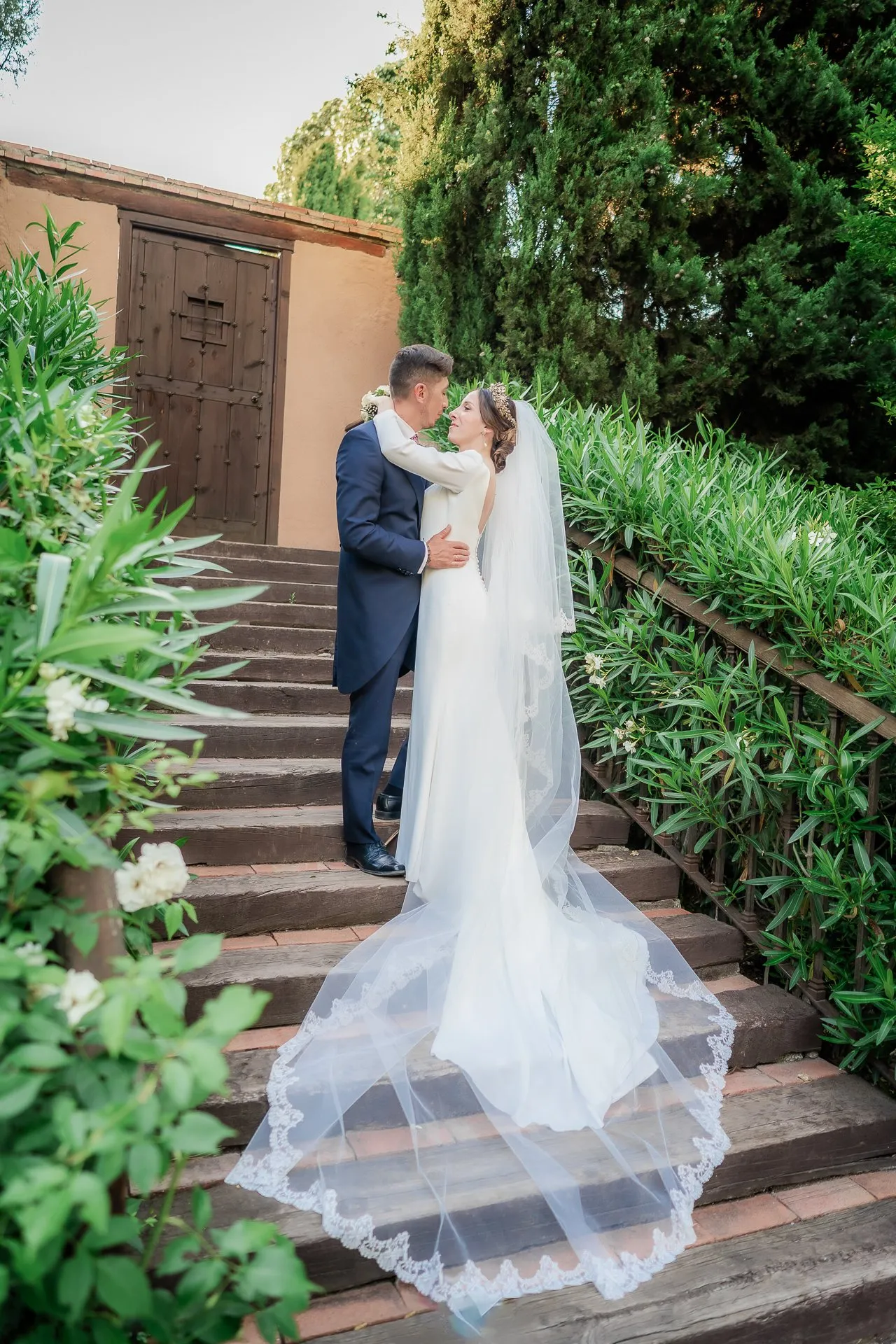
- Which trees or structure shade the guests at the time of the ceremony, in the month of your wedding.
- What light there is when night falls: until what time you can see well, of what kind, and who sets it up.
What is specific to a small island
Ibiza covers about 572 square kilometres, with maximum distances of 41 kilometres north to south and 15 east to west. It is a compact island, and that helps. But a short map does not say how long it takes on a Saturday afternoon, so the question holds for any type of place.
- How long it takes by car, door to door, from the airport, the port and the guests' lodgings to the place, and between ceremony and dinner if they are not in the same spot. How guests reach the airport and the port: getting to Ibiza for a wedding.
- How guests get back at night: coach, taxi or their own car, and when the last one leaves.
- In which months the place is open and whether it is open in the month of your wedding; a space that works in high summer may not work the same at another time.
The season is also the weather: what to expect of rain and heat each month is in when to marry in Mallorca and Ibiza. And the transfers of whoever photographs, films or sets up, including the crossing to Formentera, in wedding suppliers in Ibiza.
What to get in writing
Write the same email to every place, with the same questions, and keep the answers in a single document. Three hold for every type:
- Where guests from abroad sleep, and how they arrive and get back.
- What happens if it rains, who decides and at what time.
- Until what time the celebration lasts, and what happens to the music after that.
Then the ones specific to each type, above. And from photography and film there is something no brochure tells you: how the place feels at a particular hour. Visit the place at the hour and in the month of your wedding, even for twenty minutes. If you then want to compare two or three, you can tell us your story.
Frequently asked questions
Where can you hold a wedding in Ibiza?
In a country house or estate, in a hotel, by the sea or in a cove, in a village or in a garden. Each type solves the day differently and calls for different questions: accommodation and covered space at the house, shared areas at the hotel, authorisations on the beach, the town hall's calendar in the village, and shade in the garden.
Can a ceremony be held on a beach in Ibiza?
Spain's Coastal Law declares the use of the sea and its shore free for activities such as walking, staying or bathing, provided they need no works or installations, and requires an authorisation or concession for those that do. Beaches are not for private use. If you want to set up chairs, an arch or sound, ask the town hall and the coastal authority first.
What is a casa payesa?
It is the traditional rural house of Ibiza: white cubic modules added as the family needed them, built on the farmland itself and arranged around the porxo, the main room. Today some estates are casas payesas and others are renovations or recent buildings: ask which one yours is.
Is a country estate or a hotel better?
It depends on what weighs most for you. A hotel gathers accommodation, halls and staff in one building, but you share it with other guests; an estate offers more space and calm, and asks you to settle accommodation and transfers. Ask both the same things and compare the answers.
If you are planning a wedding in Ibiza, explore MAKERSWED's wedding photography and film collections, read the frequently asked questions or shape your story in three short questions.